Wondering whether life in Poulsbo feels better by the water or up in the hills? That question matters more than it might seem, because your daily routine can look very different depending on which part of town you choose. If you are thinking about buying, relocating, or simply narrowing down your search, this guide will help you picture how everyday life works in each setting. Let’s dive in.
Poulsbo Has Two Distinct Daily Rhythms
Poulsbo is shaped by a clear split between its historic waterfront core and its more residential hillside and edge neighborhoods. The city describes downtown Front Street as a main commercial area with specialty stores, locally owned restaurants, and waterfront access. At the same time, much of Poulsbo’s housing pattern remains centered on single-family neighborhoods shaped by hills, vegetation, and open space.
That contrast is a big part of Poulsbo’s appeal. You can enjoy Liberty Bay views, a small-town atmosphere, and access to the wider region, but the feel of daily life changes depending on where you live. For some buyers, walkability near the waterfront is the draw. For others, a quieter home-centered setting in the hills is the better fit.
Waterfront Life Feels Close and Walkable
The waterfront side of Poulsbo is the town’s most compact and public-facing area. Old Town contains many of Poulsbo’s earliest homes, generally smaller houses on smaller lots in a traditional grid pattern. That layout creates a more connected, close-in feeling than you will find in many residential areas farther from downtown.
If you live near the waterfront, everyday errands can feel more spontaneous. You may be able to combine a walk, a coffee stop, a quick meal, and time at the bay into one short outing. The city highlights the downtown area for its boardwalk, gift shops, bakeries, waterfront parks, and views of Liberty Bay and the Olympic Mountains.
The Downtown Loop reinforces that lifestyle. It runs through the historic district and connects places like Lions Park, Waterfront Park, the Moe Street Path, and American Legion Park. In practical terms, that means a scenic walk can easily become part of your normal routine.
The Marina Shapes Downtown Energy
Downtown Poulsbo is not just walkable. It is also closely tied to boating activity. The Port of Poulsbo says the marina sits right in downtown, with shops, galleries, and eateries within a block or two.
The marina includes 130 guest moorage slips and 253 permanent moorage slips, plus restrooms, showers, and laundry. Even if you are not a boater, that activity adds to the daily energy of the waterfront. You are likely to notice more movement, more visitors, and more seasonal buzz than in the hills.
For many people, that is part of the charm. The waterfront feels active, scenic, and connected to the bay. If you like having public spaces, walking routes, and local businesses close together, downtown Poulsbo offers that experience in a way other parts of town do not.
Waterfront Tradeoffs Include Parking and Visitors
Living near the waterfront also comes with a few practical tradeoffs. Because downtown serves both locals and visitors, parking is more managed there than in the hills. The city says most downtown spaces remain free, but time limits, employee parking areas, and paid parking in Anderson Parkway are part of the current system, with paid parking anticipated to begin August 1, 2026.
That does not mean downtown is difficult to use. It simply means your routine may involve a bit more planning during busy times. If you love being in the center of activity, that may feel like a small tradeoff for easy access to shops, parks, and the bay.
Hillside Neighborhoods Feel More Residential
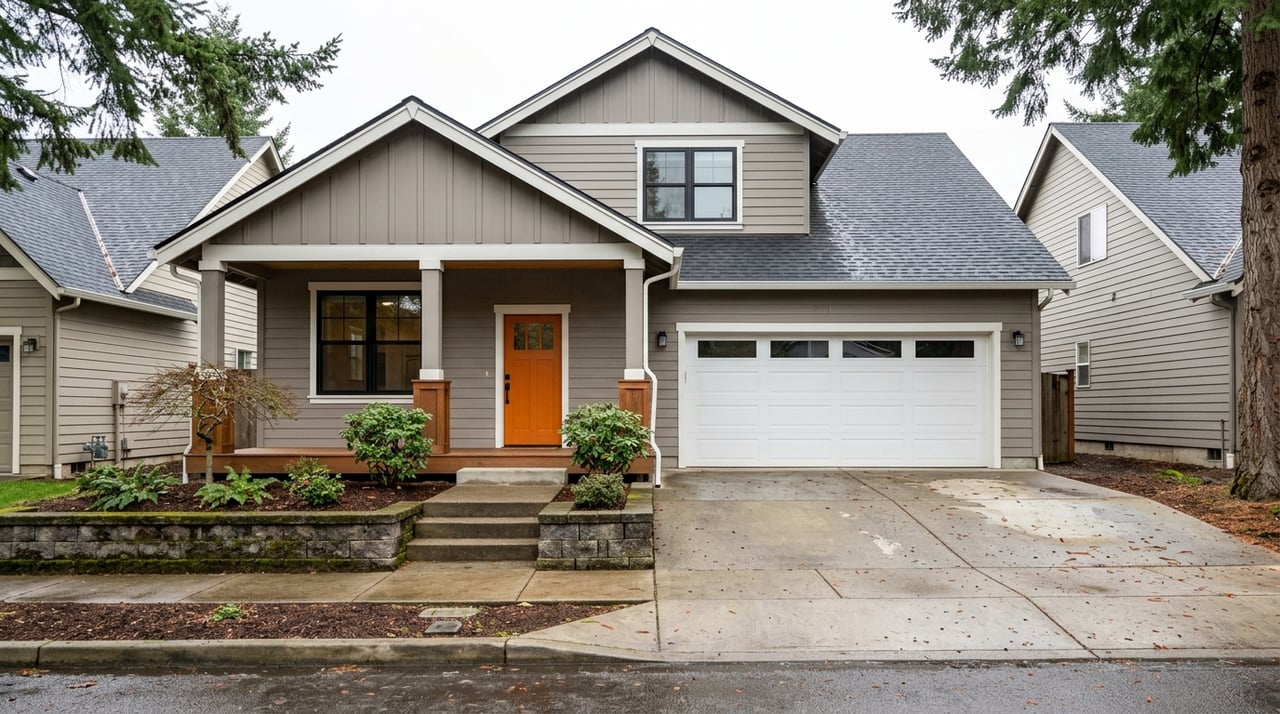
Away from the shoreline, Poulsbo takes on a more home-centered character. The city says its housing stock is still predominantly single-family detached, though cottages, condominiums, and townhouses are also part of the mix. Neighborhoods vary in age, size, and style, which gives buyers a wider range of living environments to consider.
The hills often feel quieter and more separated from commercial activity. The city notes that Poulsbo’s low-density look is tied to hilly topography, vegetation, and open-space patches that visually separate developed areas. In everyday terms, that can mean more privacy, more greenery, and a stronger sense of retreat when you return home.
For buyers who want a calmer setting, this side of Poulsbo can be especially appealing. You are still part of the city, but the experience is less about visitor traffic and more about residential routine.
Space and Variety Matter in the Hills
The hills and edge neighborhoods also reflect a broader housing pattern. Poulsbo supports additional housing choices through options like accessory dwelling units on existing lots, and current review projects show how development in sloped areas can include open space, trails, and varied lot types.
That matters if you are looking for flexibility. You may prefer a neighborhood with more breathing room, a different home style, or easier access to parks and trail systems rather than storefronts and marina activity. The hillside areas tend to support that kind of daily rhythm.
This is often where Poulsbo feels most like a residential town first and a visitor destination second. If your ideal day starts and ends at home, with errands handled by car and recreation built around parks or trails, the hills may suit you well.
Parks Feel Different in Each Area
One of the easiest ways to understand the waterfront-versus-hills difference is to look at the park system. Downtown offers a shorter scenic walking experience through the historic core, with easy access to waterfront views and public gathering spaces. That supports a more social and visually active routine.
In the hills and interior areas, the experience shifts toward nature and elevation. Fish Park is a 40-acre nature park with 2 miles of gravel and boardwalk trails, six viewing platforms, and bridge connections to Viking Avenue or Bond Road. The Park-to-Park loop between Raab Park and Wilderness Park includes more challenging elevation gains.
So the question becomes less about whether there are parks and more about what kind of outing fits your lifestyle. If you want a quick waterfront stroll with shops nearby, downtown stands out. If you prefer a more natural trail setting, the hills offer a different kind of access.
Errands Usually Split by Area
Poulsbo’s commercial life is not concentrated in one single zone. The city’s land-use plan says Front Street is centered on specialty stores, locally owned restaurants, and waterfront access. The SR 305 corridor carries many service and retail stores plus offices, while Viking Avenue is oriented toward more intensive commercial services and College Market Place serves more regional retail.
That pattern shapes how daily errands tend to work. If you live in a hillside or suburban neighborhood, routine shopping and service stops are more likely to involve driving to SR 305, Viking Avenue, or College Market Place rather than staying entirely in the waterfront core. If you live near downtown, you may still leave the core for many practical needs, even if your leisure time stays centered there.
This is an important distinction for buyers. Front Street offers atmosphere and charm, but many day-to-day tasks happen in the larger commercial corridors. Knowing that can help you choose a location that matches your real habits, not just your weekend preferences.
Transit Helps Connect the Whole City
Even if you live away from Liberty Bay, Poulsbo still offers practical connections across town and beyond. Kitsap Transit Route 332 serves the North Viking Transit Center, Viking Avenue, Keyport Junction, Ridgetop Boulevard, Hillsboro Drive, and the Silverdale Transit Center. Route 390 serves the North Viking Transit Center, Highway 305 stops, Clearwater Park & Ride, and the Bainbridge Island Ferry Terminal.
Kitsap Transit also operates an on-demand area in Poulsbo that covers downtown, retail centers west of Highway 3 and along Highway 305, neighborhoods to Noll Road, and Viking Avenue south of Bovela Lane. That service pattern helps connect residential areas with downtown and major retail zones.
For commuters and frequent regional travelers, that can be useful. The city describes Poulsbo as offering easy access to larger metropolitan areas like Seattle while keeping its small-town feel, and Washington State Ferries includes both the Seattle/Bainbridge Island and Edmonds/Kingston routes in its system. Route 390 explicitly connects with Washington State Ferries.
Which Poulsbo Lifestyle Fits You Best?
If you want your day to include walks to coffee, dinner, parks, the marina, or bay views, the waterfront core is likely the stronger fit. It offers the most compact layout and the most immediate access to Poulsbo’s public spaces and visitor-oriented charm. You will likely trade some quiet and parking simplicity for that convenience and energy.
If you want a quieter residential setting, the hills may be a better match. You are more likely to find a home-centered routine shaped by trees, topography, and neighborhood separation from the busiest commercial areas. You may drive more for errands, but downtown, parks, and transit connections still remain within reach.
The right choice depends on how you actually live. If your priorities are walkability, scenery, and being in the middle of activity, the waterfront deserves a close look. If your priorities are privacy, residential calm, and a little more separation from the public side of town, the hills may feel more natural.
When you are comparing neighborhoods in Poulsbo, it helps to think beyond price and square footage. The better question is how you want your mornings, errands, weekends, and commute to feel. If you want help sorting through that decision with clear local insight, Anne Watkins can help you find the Poulsbo lifestyle that fits you best.
FAQs
What is everyday life like near Poulsbo waterfront?
- Everyday life near the Poulsbo waterfront tends to be more walkable and active, with easy access to Front Street, the boardwalk, waterfront parks, shops, bakeries, restaurants, and the marina.
What is everyday life like in Poulsbo hills neighborhoods?
- Everyday life in Poulsbo hills neighborhoods is generally more residential and quiet, with housing shaped by hilly topography, vegetation, and open-space areas that separate neighborhoods from busy commercial zones.
Is downtown Poulsbo easy to walk around?
- Yes, downtown Poulsbo is one of the city’s most walkable areas, with the Downtown Loop connecting places like Lions Park, Waterfront Park, the Moe Street Path, and American Legion Park.
Do you need a car in Poulsbo hillside areas?
- In many hillside and suburban areas, routine errands are more likely to involve driving to commercial areas along SR 305, Viking Avenue, or College Market Place, although transit and on-demand service also help connect parts of the city.
Does Poulsbo have transit connections to ferries and nearby hubs?
- Yes, Kitsap Transit Route 390 serves Poulsbo stops and connects with the Bainbridge Island Ferry Terminal, while Route 332 connects Poulsbo with Silverdale and other local destinations.
Is waterfront living in Poulsbo busier than the hills?
- Yes, the waterfront core is generally busier because it is the most public-facing part of town, with local businesses, parks, marina activity, and visitor traffic all concentrated in a compact area.