If your Olympia home is about to hit the market, presentation matters more than ever. With Thurston County inventory rising from 1.68 to 2.30 months year over year and a 2025 median residential home price of $505,000, buyers have more choices than they did before. That does not mean your home cannot stand out. It means thoughtful staging can give you an edge. In this guide, you’ll learn which staging moves matter most, how Olympia’s rainy climate affects showings, and where to focus your time for the best return. Let’s dive in.
Why staging matters in Olympia
In a market with more available homes, buyers can compare details more closely. A clean, bright, well-prepared home helps them notice your property’s strengths faster and remember it longer after a tour.
That matters because staging helps buyers picture themselves living in a space. In NAR’s 2025 Profile of Home Staging, 83% of buyers’ agents said staging made it easier for buyers to visualize the property as their future home, and 60% said staging affected most buyers’ view of a home most of the time.
There is also a strong photo component. Buyers’ agents ranked photos as the most important listing asset, ahead of physical staging, videos, and virtual tours. In other words, staging is not just about open houses or private showings. It starts with how your home appears online.
Focus on photo-ready presentation
Today’s buyers often form their first impression before they ever step through the door. If your listing photos feel dark, crowded, or overly personal, some buyers may move on before scheduling a showing.
NAR’s 2025 findings suggest buyer expectations are polished. Nearly half of respondents said buyers expected homes to look like they were staged on TV, and 58% said buyers felt disappointed when homes did not meet that standard. You do not need a dramatic makeover, but you do want a clean, cohesive, photo-ready look.
That means your staging decisions should work on camera first and in person second. Before photos are taken, look at each room through your phone camera. If the space feels busy, dim, or smaller than it should, that is a sign to simplify.
Start with decluttering and depersonalizing
The most effective staging usually begins with subtraction, not decoration. Removing extra items helps rooms feel larger, calmer, and easier to understand.
Start by packing away personal photos, collections, bold niche decor, and anything that pulls attention away from the room itself. Buyers should be able to focus on the layout, light, storage, and finishes instead of your personal style.
Closets matter too. NAR recommends using storage so closets are about half full. This makes storage areas look more spacious and helps buyers feel the home has room for their belongings.
Bulky or excess furniture can also work against you. If a room feels tight or awkward to walk through, remove pieces until the flow feels easy and natural.
Stage the rooms buyers notice most
You do not need to stage every inch of the house at the same level. If you want the biggest impact, focus first on the rooms buyers care about most.
According to NAR’s 2025 staging report, buyers’ agents ranked the living room, primary bedroom, and kitchen as the most important rooms to stage. These are the spaces where buyers often make emotional decisions about comfort, function, and daily life.
Living room staging tips
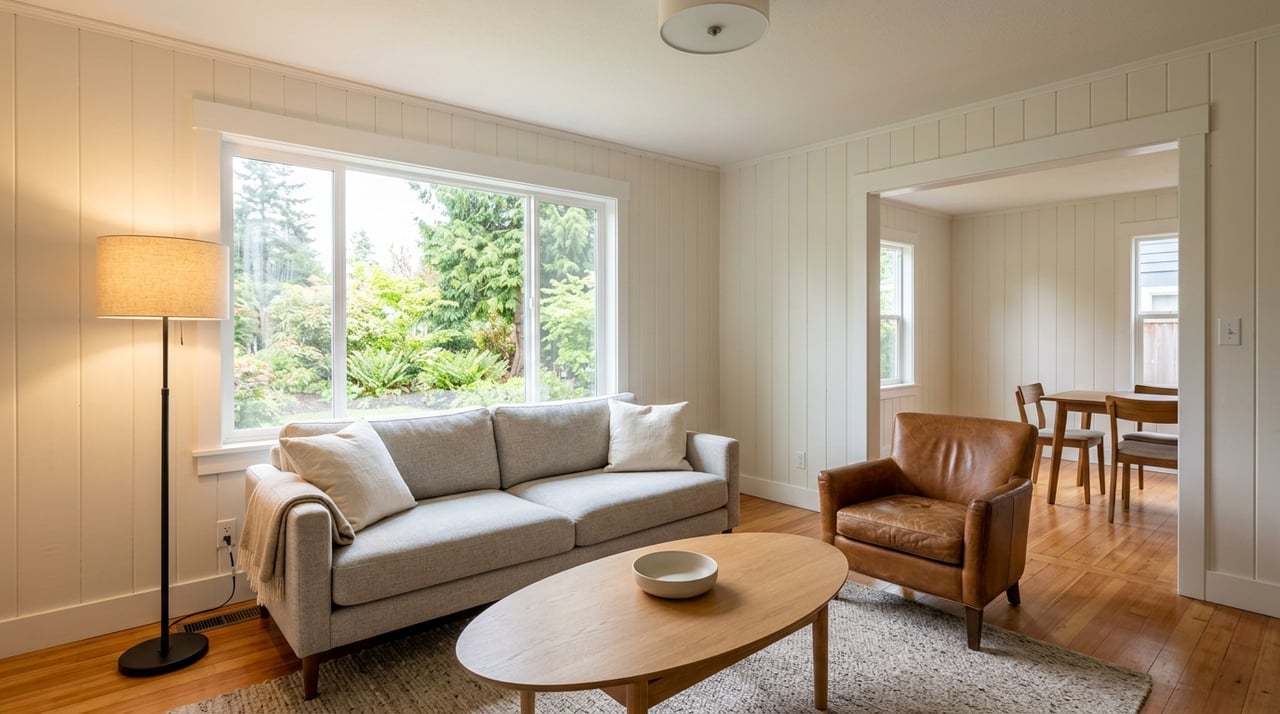
Your living room should feel open, comfortable, and easy to use. Keep seating arranged to show conversation space and natural pathways through the room.
Remove extra side tables, oversized recliners, or unused storage pieces if they make the room feel crowded. Add simple textiles like neutral pillows or a clean throw to soften the space without adding clutter.
Primary bedroom staging tips
The primary bedroom should read as restful and spacious. Crisp bedding, limited decor, and clear surfaces can go a long way here.
If the room is packed with furniture, consider removing a dresser, bench, or chair that is not essential. Fresh bedding and a tidy nightstand setup can make the room feel more finished in both photos and showings.
Kitchen staging tips
In the kitchen, clean counters are one of the fastest ways to improve presentation. Leave only a few purposeful items out, such as a coffee maker or a small decorative accent, if they support a clean look.
Clear paperwork, magnets, pet items, and countertop clutter. Buyers want to see workspace, storage, and condition, so less is usually more.
Use neutral, simple styling
Staging works best when it helps buyers imagine their own belongings in the space. Neutral finishes and simple styling make that easier.
NAR’s consumer guide recommends neutral paint colors such as beige, gray, or soft white. If you have a room with a bold or highly personal paint choice, repainting a high-visibility wall or two may be worth considering before listing.
Textiles can also freshen a room quickly. New towels, clean bedding, and a few understated accents can make a home feel cared for without a major spend. The goal is not to erase character. It is to create a calm backdrop that appeals to a wide range of buyers.
Prep for Olympia’s rainy climate
Olympia’s weather should shape your staging plan. NOAA normals for Olympia show 50.62 inches of annual precipitation and 163.4 days with measurable precipitation, with wetter late fall and winter months.
That means buyers may arrive in wet shoes or under gray skies, and your home should still feel welcoming the moment they step in. A soggy entry, muddy porch, or dim interior can affect the first impression right away.
Make the entry feel clean and dry
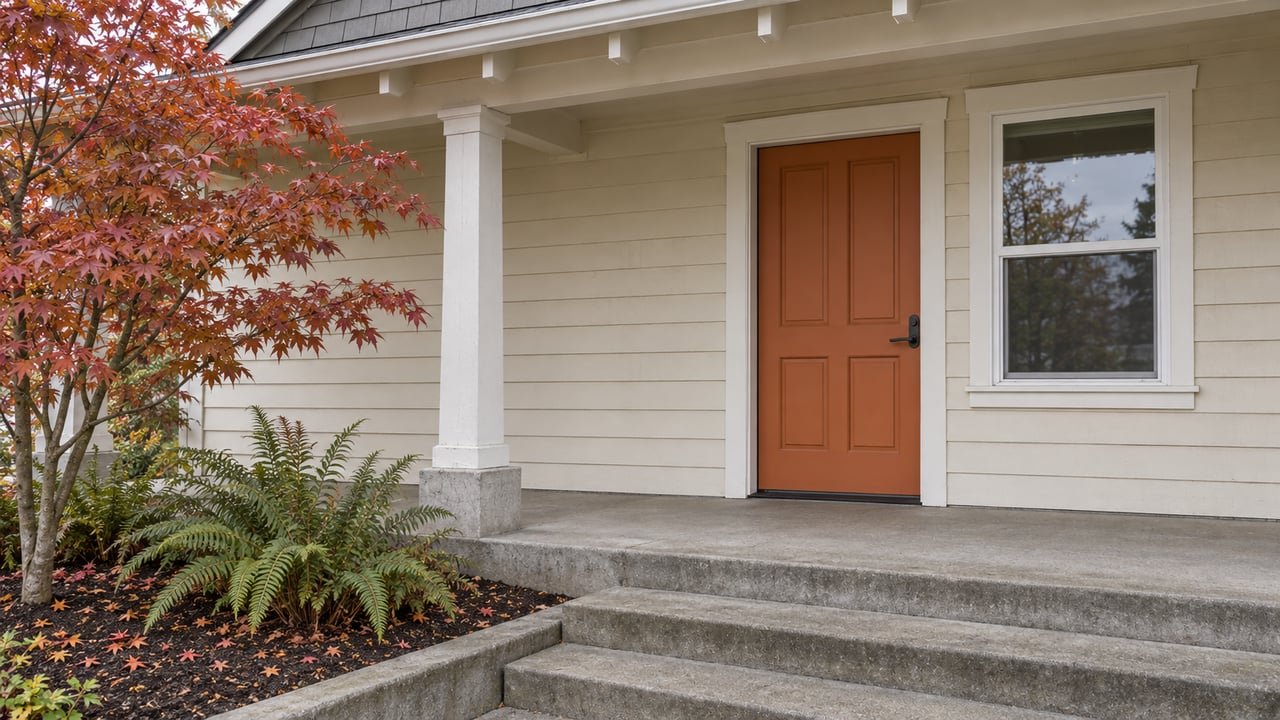
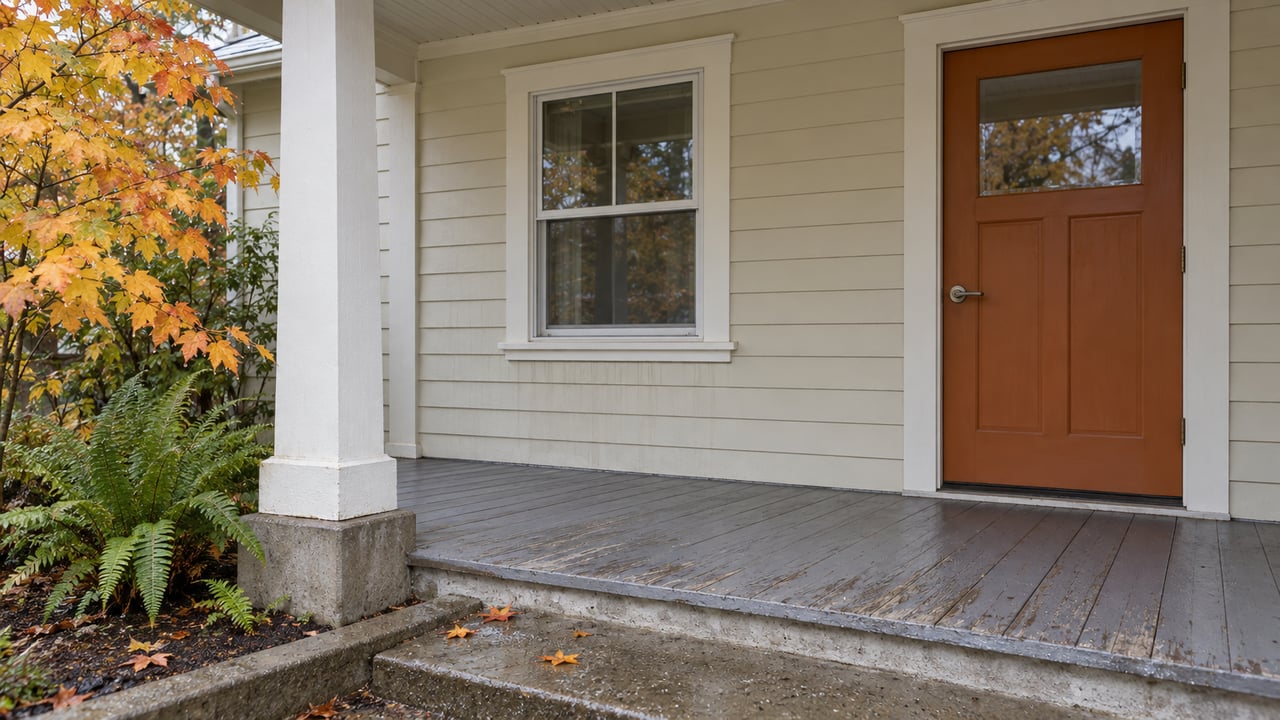
Your front entry does a lot of work in Olympia. Keep the doormat clean, the threshold dry, and the porch swept before every showing.
If rain is likely, check for tracked-in water just before buyers arrive. A tidy, dry entry signals care and helps the rest of the home feel better maintained.
Brighten darker days
Natural light can be limited during cloudy stretches, so lighting matters. Open blinds, turn on lamps, and replace dim bulbs in key rooms so the home feels bright even on overcast days.
Pay extra attention to the living room, kitchen, and primary bedroom. Those spaces already matter most to buyers, and good light helps them photograph and show better.
Tidy exterior spaces
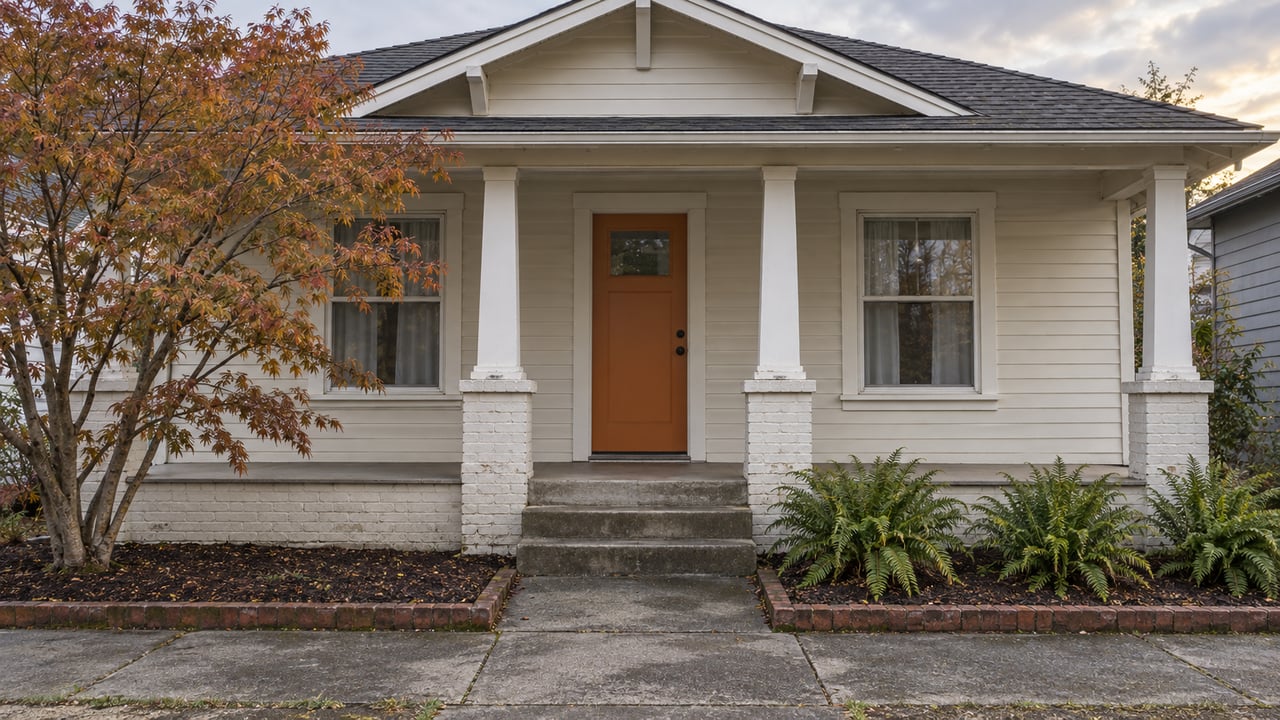
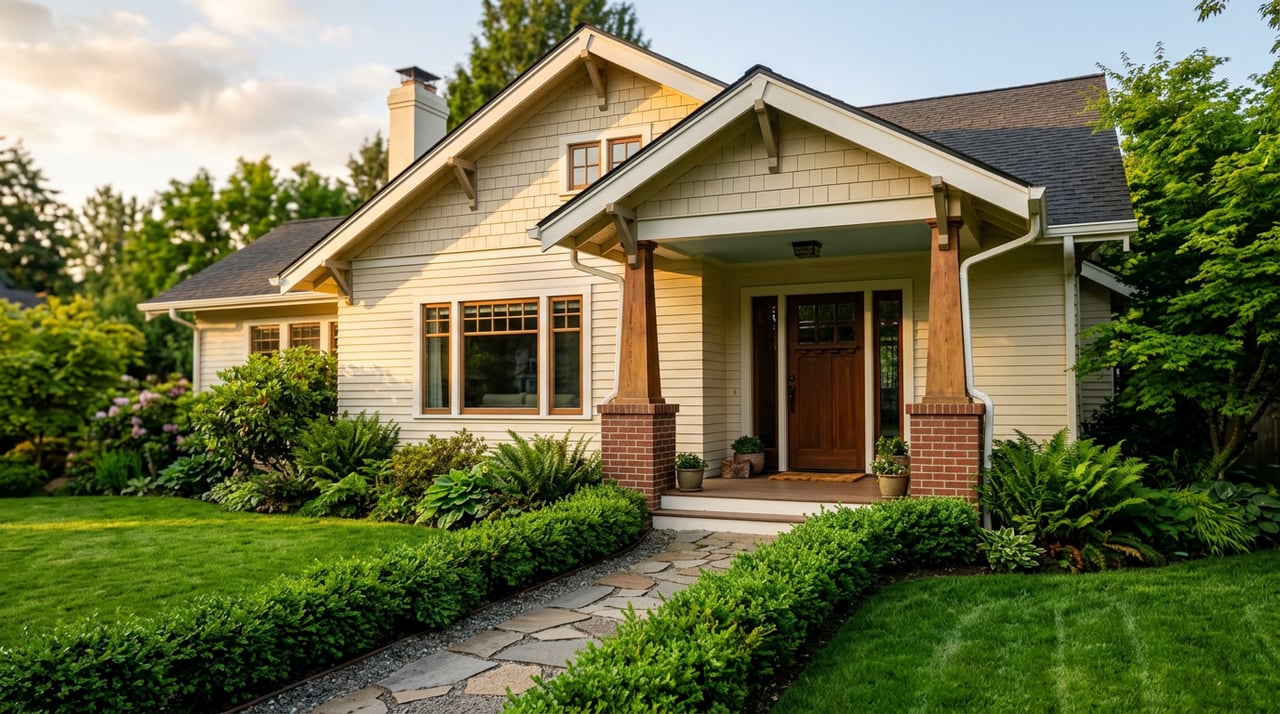
Your exterior presentation should feel just as intentional as the inside. Sweep walkways, clear leaves, straighten porch furniture, and keep landscaping neat.
In Olympia, even modest outdoor cleanup can make a noticeable difference because buyers often notice signs of moisture, debris, and seasonal wear. A well-kept exterior supports the impression that the home has been cared for.
Build a simple staging timeline
Staging is easiest when you start earlier than you think you need to. It is not just a final-week decorating project. It works best as part of your full pre-listing plan.
Six to twelve months before listing
Use this stage to declutter, sort storage areas, and identify small repairs or paint updates. Starting early lets you work gradually instead of scrambling close to launch.
If you know a room needs simpler furniture or a more neutral look, this is the time to plan those changes. Small updates usually feel more manageable when spread out over time.
One to three months before listing
Deep clean the home, reduce excess furniture, and repaint high-visibility areas if needed. Then focus your best effort on the living room, primary bedroom, and kitchen.
This is also a smart time to test how each room looks in photos. Walk through with fresh eyes or ask your agent where buyers are most likely to focus.
Final week and photo day
In the last stretch, aim for consistency. Swap in fresh towels and bedding, clear counters, hide personal items, and do a final sweep of the entry and outdoor areas.
Because photos are so important, your home should look just as polished online as it does in person. On photo day, every visible surface and every sightline matters.
What to expect on budget
Staging does not always mean fully furnishing a vacant home or hiring a large-scale design team. Often, the best results come from targeted updates and smart editing.
According to NAR’s 2025 report, the median amount spent on a professional staging service was $1,500. When the seller’s agent personally staged the home, the median spend was $500. The same report found only 21% of sellers’ agents staged all listings, which suggests that partial staging and focused prep are common approaches.
That is good news if you want to be strategic. You may not need to do everything. You just need to focus on the changes that improve first impressions, listing photos, and buyer flow through the home.
Staging is about clarity, not perfection
The best staging helps buyers quickly understand what makes your home appealing. It highlights space, light, function, and care without making the house feel artificial.
In Olympia, that often means combining smart decluttering with weather-aware prep and strong photo presentation. When buyers have more options, a home that feels clean, calm, and move-in ready can stand out for all the right reasons.
If you’re preparing to sell and want a thoughtful plan for pricing, presentation, and launch timing, Anne Watkins offers hands-on guidance and premium listing strategy tailored to your home and market.
FAQs
What rooms should you stage first when selling an Olympia home?
- Start with the living room, primary bedroom, and kitchen, since buyers’ agents ranked those as the most important rooms to stage.
How does Olympia weather affect home staging?
- Olympia’s frequent rain makes clean entryways, dry thresholds, bright lighting, and tidy exterior spaces especially important for showings and photos.
Does home staging help Olympia listing photos?
- Yes. Buyers’ agents ranked photos as the most important listing asset, so staging should support a bright, uncluttered, photo-ready presentation.
How much does home staging usually cost before listing?
- NAR reported a median cost of $1,500 for professional staging services and $500 when the seller’s agent personally staged the home.
Do you need to remodel before staging an Olympia home?
- No. Staging is generally about decluttering, depersonalizing, neutral styling, and simple presentation rather than major remodeling.