Trying to choose between a condo and a townhome in Seattle? You are not alone. Many buyers start with the style they picture in their head, then realize the real difference often comes down to maintenance, monthly dues, and how you want to live day to day. This guide will help you compare Seattle condos and townhomes in practical terms so you can make a more confident decision. Let’s dive in.
Start With Ownership, Not Style
In Seattle, the words condo and townhome do not tell you everything you need to know. A townhome can be part of a homeowners association or organized as a condominium, and that affects maintenance responsibilities, dues, and rules.
Under Washington common-interest-community rules, the governing documents matter most. For condos, the association generally maintains common elements, while you maintain your unit, unless the declaration says otherwise. That is why two homes that look similar on the outside can come with very different owner responsibilities.
How Condos Usually Feel
Condos often offer a more hands-off ownership experience. The association is typically built around shared building systems and common spaces, which can reduce the amount of exterior upkeep you handle yourself.
In daily life, that can mean easier maintenance, shared amenities, and a stronger focus on building-wide rules and monthly dues. If you want convenience and less personal upkeep, this setup may feel like a good fit.
How Townhomes Usually Feel
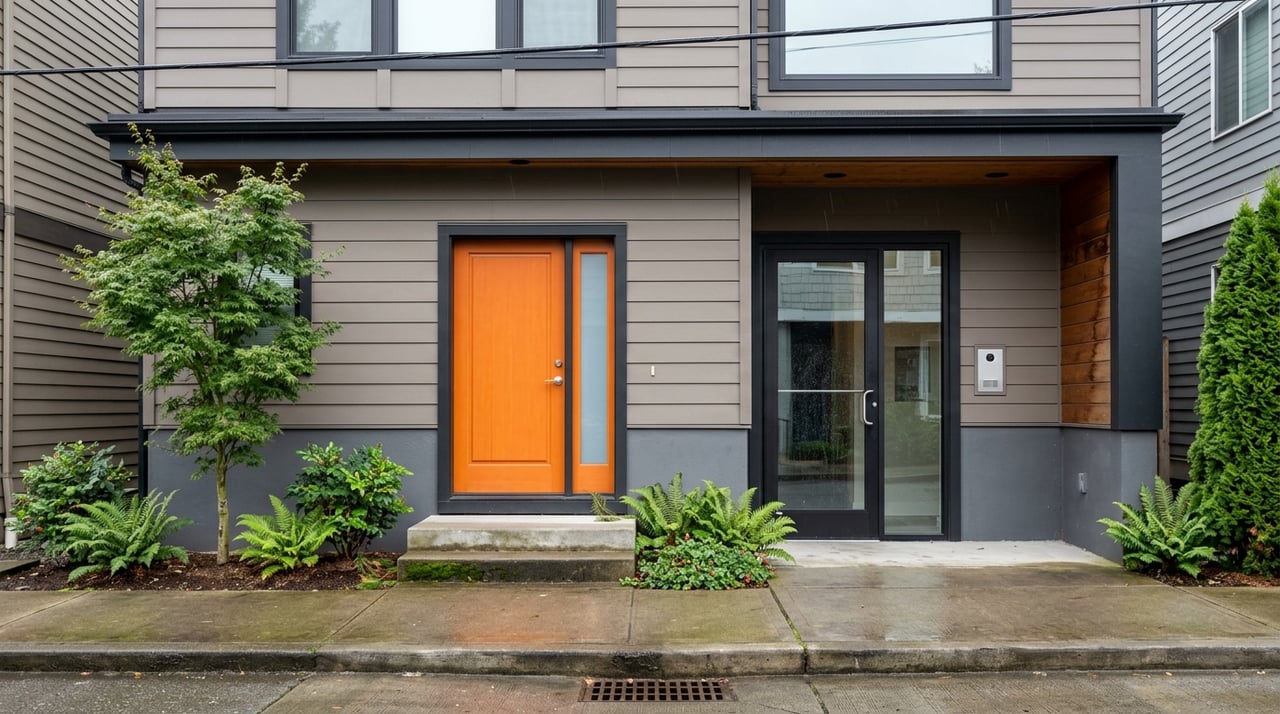
Townhomes usually feel more like a traditional house. Seattle’s lowrise code describes townhouses as attached units that occupy space from the ground to the roof, which often translates to a private entry, multiple levels, and more separation from neighbors.
That said, a townhome does not automatically mean low dues or fewer rules. Some townhome communities operate much like condos, while others leave more responsibility with the owner. You need to read the association documents to know where the lines are.
Where You Will Find Each in Seattle
Seattle’s layout helps explain why condos and townhomes often attract different buyers. Condos are more common in the city’s dense regional centers, where walkability, transit access, and proximity to jobs tend to matter most.
The City of Seattle describes Downtown as the city’s second-largest housing center and largest employment center. It also identifies First Hill and Capitol Hill as central hubs for urban living, nightlife, and transit access, while South Lake Union continues to grow as a major center tied to Seattle’s tech economy.
Townhomes are more common in Seattle’s lowrise neighborhoods. The city says lowrise zoning makes up about 10% of city land and is designed for moderately dense housing types, often located between mixed-use commercial areas and single-family areas.
In practical terms, that means townhomes often appear in transition-zone neighborhoods rather than the densest downtown core. If you want an urban location with a little more of a house-like setup, a townhome may line up better with your goals.
Seattle Inventory and Price Snapshot
A recent Seattle listing snapshot shows how the two property types compare in today’s market. The same snapshot reported 1,006 condos for sale with a median listing price of $499,000 and 727 townhouses for sale with a median listing price of $775,000.
That is an important reminder that townhomes are not automatically the more affordable option. In Seattle, buyers often pay more for the added space, layout, and private-entry feel that many townhomes offer.
The snapshot also showed condo inventory concentrated in Capitol Hill, Queen Anne, Magnolia, Ballard, and West Seattle. Townhome listings were especially visible in Fremont, Capitol Hill, Queen Anne, Magnolia, Ballard, Beacon Hill, Green Lake, Laurelhurst, West Seattle, and Wallingford.
Compare Dues With Care
Monthly dues can look simple at first, but they deserve a closer look. Washington ORIA says condo and HOA communities collect mandatory assessments for shared areas and operating costs, including items like streets, lights, sewers, elevators, garages, insurance, bookkeeping, management, and vendor services.
Associations also typically have ongoing obligations. ORIA notes that many must conduct reserve studies, hold annual meetings and board elections, and enforce CC&Rs that may address parking, noise, pets, rental limits, and common-area use.
For you as a buyer, the key question is not just how much are the dues? It is what do the dues actually cover, and is the association financially prepared for future needs?
What to Review Before You Buy
If you are considering a condo, focus on whether the association is clearly responsible for major common elements and whether it appears well funded. Washington law requires disclosures about budgets, reserve studies, and special assessments, which gives you a clearer picture of the building’s financial health.
Before you get too attached to finishes or staging, review these documents carefully:
- Resale certificate
- Association budget
- Reserve study
- History of special assessments
- Current rules in the CC&Rs
This paperwork can tell you far more about long-term cost and risk than a beautifully updated kitchen.
Why Townhome Documents Matter Just as Much
With townhomes, buyers sometimes assume the ownership structure is simpler. In reality, the word townhome says very little about who handles the roof, siding, landscaping, private roads, or shared infrastructure.
That is why one Seattle townhome can live almost like a detached home, while another can function much more like a condo. The governing documents, not the architecture alone, determine what you are truly buying into.
Condo Lifestyle: Who It Often Fits
A condo often works well if you value convenience, lower day-to-day maintenance, and access to dense urban areas. In Seattle, that can mean easier access to downtown jobs, walkable businesses, and transit-rich neighborhoods.
The tradeoff is that association rules and monthly dues may play a bigger role in everyday life. If you are comfortable with shared systems and community guidelines in exchange for location and convenience, a condo may be the better fit.
Townhome Lifestyle: Who It Often Fits
A townhome often suits buyers who want more privacy and a more house-like layout without stepping fully into detached-home ownership. Features like a private entry and multiple floors can create a sense of separation that many buyers value.
This option can be especially appealing if you want to stay in Seattle’s urban neighborhoods but prefer something that feels less like a shared building. Just remember that the monthly carrying cost can still be significant, depending on the HOA and location.
The Best Seattle Comparison Strategy
If you are deciding between a condo and a townhome, compare the documents before you compare the finishes. Two homes may look equally appealing online, but the stronger long-term choice is often the one with clearer maintenance responsibilities, healthier reserves, and fewer surprises tied to special assessments.
In other words, a slightly higher monthly due is not always a downside. If that payment supports solid reserves and responsible upkeep, it may offer more stability over time.
Questions to Ask on Every Seattle Tour
When you tour condos and townhomes in Seattle, bring the conversation back to ownership and costs. A few focused questions can help you avoid expensive surprises later.
Ask questions like these:
- What does the association maintain, and what do you maintain?
- What do the monthly dues cover?
- Is there a current reserve study?
- Have there been recent or planned special assessments?
- Are there rules about pets, parking, rentals, or common-area use?
- Is this townhome legally part of an HOA or a condominium structure?
These answers can help you compare homes on the factors that really shape your day-to-day experience.
Final Thoughts on Condos vs Townhomes
There is no one-size-fits-all winner in Seattle. A condo may be the right move if you want convenience, shared amenities, and access to Seattle’s most urban neighborhoods. A townhome may be a better match if you want a private entry, a more house-like feel, and room to spread out across multiple levels.
The smartest move is to match the property type to your lifestyle, budget, and comfort with shared rules and maintenance obligations. If you want help comparing Seattle options with a clear eye on both lifestyle and long-term cost, Anne Watkins can help you weigh the details and move forward with confidence.
FAQs
What is the main difference between a Seattle condo and a Seattle townhome?
- In Seattle, the biggest difference is often ownership structure and maintenance responsibility, not just the building style. A condo usually places common-element maintenance on the association, while a townhome may be organized through an HOA or as a condominium, depending on its governing documents.
Are Seattle townhomes cheaper than Seattle condos?
- Not always. A recent Seattle listing snapshot showed condos at a median listing price of $499,000 and townhouses at a median listing price of $775,000, so townhomes can cost more depending on location and features.
Where are condos most common in Seattle?
- Condos are most common in Seattle’s dense regional centers and nearby urban neighborhoods, including areas such as Capitol Hill, Queen Anne, Magnolia, Ballard, and West Seattle.
Where are townhomes most common in Seattle?
- Townhomes are often found in Seattle’s lowrise neighborhoods and transition areas between mixed-use commercial zones and single-family areas, with listings commonly seen in places like Fremont, Ballard, Beacon Hill, Green Lake, Wallingford, and West Seattle.
What documents should you review before buying a Seattle condo or townhome?
- You should review the resale certificate, association budget, reserve study, CC&Rs, and any history of special assessments to understand maintenance obligations, rules, and potential future costs.
Do Seattle townhomes always have HOAs?
- No. In Washington, townhomes can be organized either as HOAs or as condominiums, so you need to review the governing documents to know exactly how the property is structured.
What do Seattle HOA or condo dues usually cover?
- Dues may help pay for shared areas and operating costs such as streets, lights, sewers, elevators, garages, insurance, bookkeeping, management, and vendor services, depending on the community.
Which fits an urban Seattle lifestyle better: condo or townhome?
- A condo often fits buyers who prioritize convenience, transit access, and less personal maintenance, while a townhome often fits buyers who want a more private, house-like feel within Seattle’s urban neighborhoods.