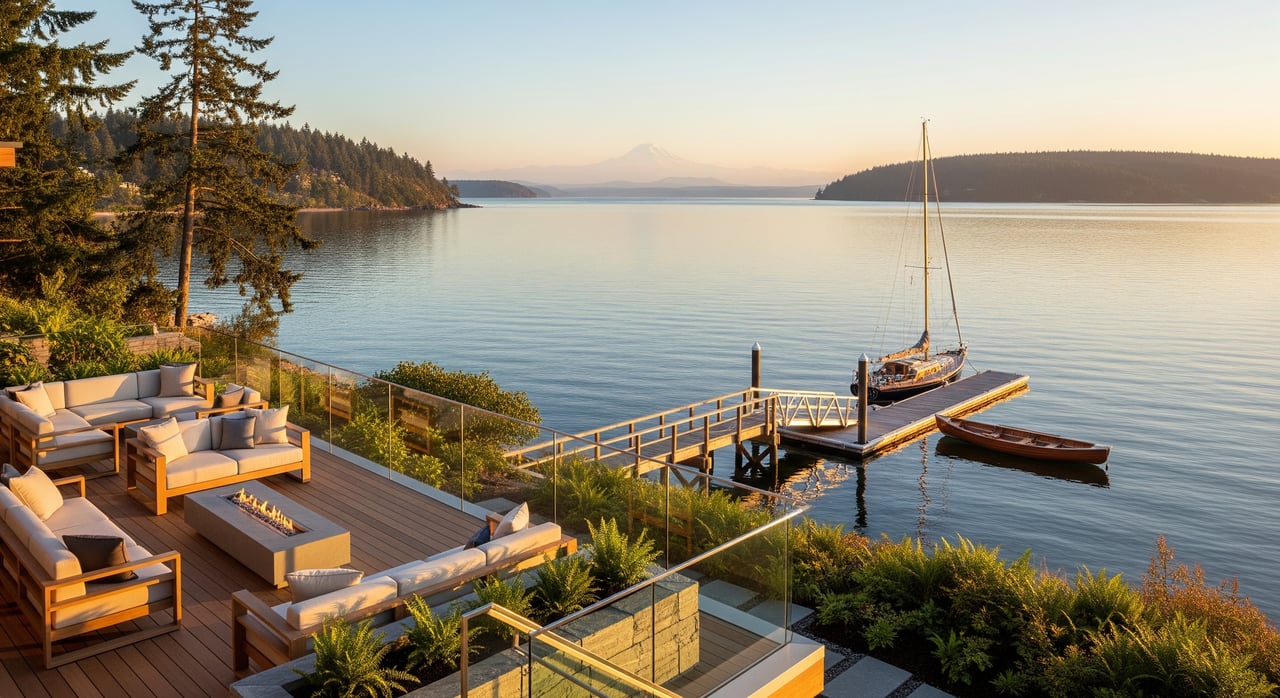
Imagine waking up to shifting tides, kayakers gliding past, and the soft clang of halyards across the harbor. If you’re picturing a Puget Sound lifestyle rooted in water, community, and daily outdoor moments, Gig Harbor delivers. You also want the full picture: how boating works, the true upkeep of a waterfront home, commute tradeoffs, and the rules about docks and shorelines. This guide walks you through what everyday waterfront living in Gig Harbor really feels like, plus practical steps to help you decide if it fits your life. Let’s dive in.
Where waterfront life happens
Gig Harbor sits on the eastern edge of the Gig Harbor Peninsula with a protected harbor that opens to Puget Sound. You get a mix of quiet coves and quick access to the broader Salish Sea. The Tacoma Narrows Bridge on SR 16 links you to Tacoma and the regional freeway network for work and weekend trips.
You’ll live in a maritime climate. Winters are mild and wet, summers are cooler and relatively dry. Fog, variable winds, and salt spray shape home maintenance and how you plan outings. Boaters and beach walkers pay attention to tides and currents, especially near the Narrows.
Home types on the water
Waterfront here isn’t one-size-fits-all. You’ll find:
- Full waterfront parcels with direct shoreline and views, sometimes with private docks.
- Near-water homes just above the shoreline that offer views and short access paths, sometimes with shared or community beach access.
- Protected canal or small-cove properties that provide calmer water and potential in-cove moorage.
- A blend of older cottages, mid-century homes, and newer luxury rebuilds across many neighborhoods.
True waterfront usually carries a price premium over similar inland homes. Factors like panoramic views, dock rights, lot size, and direct access to open water influence value. Inventory stays tight, and shoreline regulations shape how and when properties get improved.
What daily life feels like
Think morning walks on the waterfront promenade, quick paddle sessions before dinner, and seasonal rhythms that change with the tide and sun.
Boating and moorage
Boating is the heartbeat of Gig Harbor living. You’ll see sailboats, powerboats, kayaks, and paddleboards almost daily. If you own a boat, you can use a private dock where allowed, join a marina, or rely on public launches. You’ll plan outings around tide and current conditions, especially near the Narrows, and keep an eye on forecasts and navigation marks.
- For safe planning and local timing, check NOAA tide and current tables.
- If you’re newer to boating, the US Coast Guard’s boating safety resources are a smart starting point.
Private docks can be wonderful, but they come with permitting histories, inspections, and maintenance. Marina slips and community dock options provide alternatives, with costs and availability that vary by season.
Parks, beaches, and trails
Your everyday routine can include shoreline picnics, birdwatching, or a quick paddle from a local launch. Regional favorites like Kopachuck State Park offer water access and classic Puget Sound scenery. For planning and access details across the region, explore Washington State Parks.
Waterfront dining and downtown vibe
Historic downtown Gig Harbor lines the water with cafes, restaurants, and small shops. Summer brings more outdoor dining and foot traffic, with a calmer, slower pace in shoulder seasons. You can run errands by car or pair them with a stroll along the harbor.
Schools and community life
Local public schools serve the Gig Harbor Peninsula, and private options exist in the region. Community touchpoints like small museums, seasonal festivals, and farmers markets add to the close-to-the-water, community-centered lifestyle.
Costs and upkeep to plan for
Waterfront life is rewarding, and it also comes with higher maintenance and planning needs than inland homes.
Exterior and dock maintenance
Salt air accelerates wear. You can expect more frequent painting or staining, attention to metal fasteners and exterior hardware, and periodic checks on roofing, HVAC components, and coastal landscaping. If a dock or float is part of the property, allow for piling work, hardware inspections, and seasonal storm checks. If you store your boat at a marina, budget for slip fees.
Insurance and flood risk
Waterfront homes may have higher insurance premiums that reflect wind and water exposure. Whether a property sits in a Special Flood Hazard Area can affect coverage requirements and costs. Review site elevation and local mapping early in your search using the FEMA Flood Map Service Center, and talk with insurers about wind, water, and flood coverage.
Permits and shoreline rules
Shoreline work in Gig Harbor typically requires permits and careful planning. Local shoreline programs guide new bulkheads, docks, and modifications to protect public resources and the shoreline environment. Private ownership does not automatically grant exclusive rights below the ordinary high-water mark. Get familiar with the state’s framework through the Washington Department of Ecology’s Shoreline Master Program guidance before you plan changes.
Water quality and shellfish safety
If you enjoy beachcombing or shellfishing, pay attention to seasonal advisories. Bacterial issues and algal blooms can affect local beaches at times. For current status and closures, check the Washington State Department of Health’s recreational shellfish page.
Commuting and getting around
Most Gig Harbor residents rely on SR 16 across the Tacoma Narrows Bridge for daily travel. Peak times can be busy, and bridge tolling is part of your transportation budget.
SR 16 and bridge tolls
The Tacoma Narrows Bridge is the main route to Tacoma and connections to I-5. Tolls are collected with Good To Go or pay-by-mail options. Review current policies and rates on the WSDOT toll roads and bridges page.
Transit and alternatives
Public transit exists but is more limited than in larger urban cores. Local bus routes and park-and-ride options connect into Tacoma, and regional trips to Seattle often require transfers and longer times. To plan routes and schedules, start with Pierce Transit.
Buyer checklist for Gig Harbor waterfront
Use this quick list to focus your due diligence and lifestyle fit.
Title and shoreline rights
- Confirm property boundaries in relation to the ordinary high-water mark.
- Check for easements, shared beach rights, and recorded dock or waterfront-use agreements.
Permits and redevelopment
- Review local Shoreline Master Program rules, critical areas overlays, and permitting steps for repairs or new shoreline work.
- Ask about any historic or neighborhood overlays that might affect renovations.
Docks and moorage
- If a dock exists, verify permits, condition, piling stability, and maintenance records.
- If you plan to use a marina, check waitlists, transient options, and membership requirements well ahead of time.
Flood and insurance
- Look up site-specific mapping on the FEMA Flood Map Service Center and ask insurers about wind, water, and flood coverage.
- Evaluate elevation, shoreline protection, and site drainage during inspections.
Environmental factors
- Track shellfish advisories and water-quality updates if beach foraging or shellfishing is important to you.
- Ask inspectors and contractors about materials and landscaping suited to salt exposure.
Lifestyle fit
- Decide whether you want a private dock or prefer marina access. Consider how often you will boat and where you will store and service your vessel.
- Map drive times for school, work, health care, and shopping during your normal commute windows.
- Consider seasonal tourism patterns and whether summer activity levels match your preferences.
Is Gig Harbor waterfront right for you?
If you want a daily connection to Puget Sound, easy access to paddling or cruising, and a harborfront community that runs on tides and seasons, Gig Harbor is a strong fit. The tradeoffs include higher maintenance, careful permitting for shoreline changes, and commute planning that accounts for SR 16 and bridge tolls. With the right preparation, the rewards can be remarkable.
When you are ready to explore specific neighborhoods, docks versus marina options, and the real costs for the homes you are considering, reach out to Anne Watkins for local guidance and a tailored plan.
FAQs
Can you build a new dock on a Gig Harbor waterfront property?
- Not automatically. Most shoreline work requires permits under local and state rules, so review the Shoreline Master Program and consult agencies before planning a dock.
Are Gig Harbor waterfront homes at higher flood risk?
- Often yes. Waterfront exposure can increase risk from tides and storm surge, which is why elevation, shoreline protection, and flood zone mapping should be reviewed early.
How beginner-friendly is boating in Gig Harbor?
- Very accessible with rentals and calm coves, but you should learn local conditions, monitor tides and currents, and follow boating safety guidance before heading toward the Narrows.
What should you budget for waterfront maintenance?
- Plan for more frequent exterior care, attention to corrosion-prone components, and dock inspections or piling work if applicable, plus potential marina fees if you keep a boat in a slip.
How realistic is the commute to Tacoma or Seattle from Gig Harbor?
- Tacoma is a common commute via SR 16, while Seattle trips are longer and affected by peak congestion and bridge tolling. Transit exists but often requires transfers and more time.