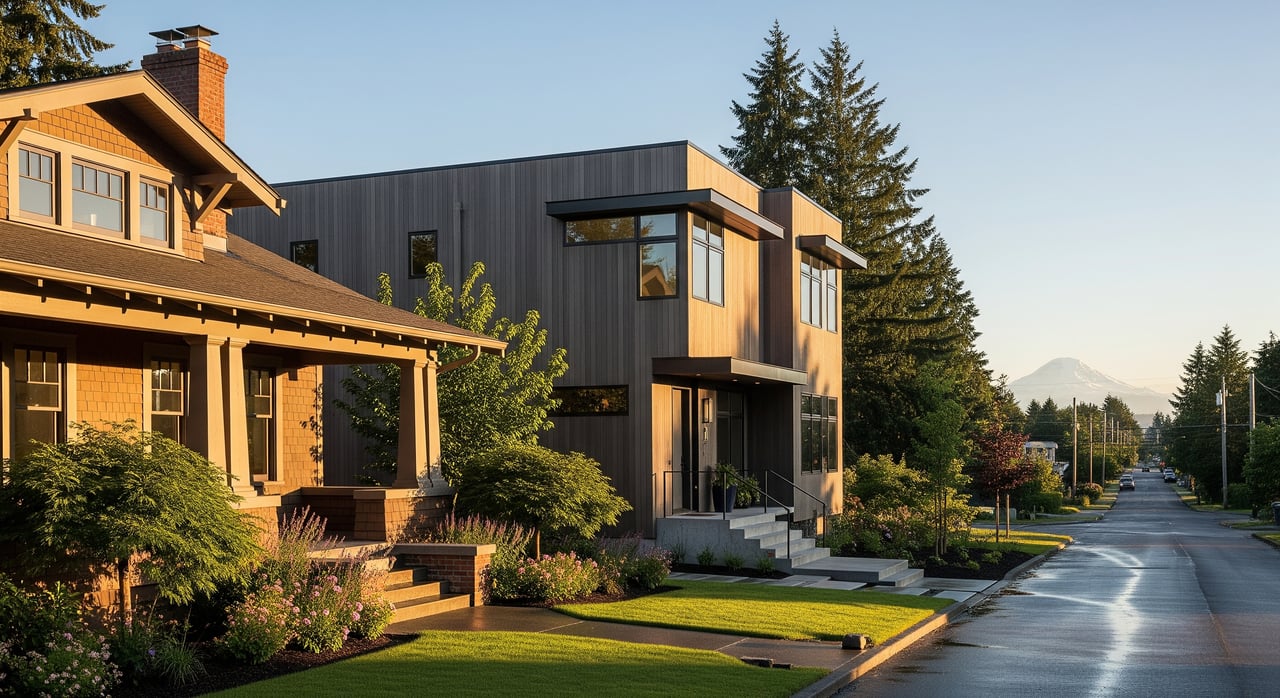
Trying to decide between a brand‑new home and a resale in Puyallup? You are not alone. Each path offers real benefits, and the right choice depends on your timing, budget, and how you want to live. In this guide, you will learn the real tradeoffs for Pierce County buyers, a simple decision framework, and a printable worksheet to help you compare options. Let’s dive in.
Puyallup market snapshot
Puyallup trends follow Tacoma–Lakewood commute patterns and the broader Seattle area. Prices and inventory can shift quickly, so compare options with current data. A local comparative market analysis that pulls from NWMLS, Pierce County property records, and current builder offerings will keep you grounded. If you need school boundary information or zoning updates, verify with local agencies before you commit.
New construction: pros and tradeoffs
Pricing and value
New homes often show a higher price per square foot due to modern finishes and current labor and material costs. That gap can narrow when you adjust for features and energy efficiency. In and around South Hill and the city’s outskirts, newer neighborhoods may carry a premium, while established areas can offer larger lots at similar or lower prices.
Timeline to move‑in
If you buy a completed spec home, you can often close faster. Building from a plan can take several months or more, and delays from permitting, weather, or supply chain issues can extend timelines. Ask the builder for realistic schedules and confirm local permit timing before you lock in plans.
Warranties and post‑closing risk
Most builders provide a written warranty package. Typical structures include about one year for workmanship, two years for systems, and a longer limited structural warranty. Always get the exact terms in writing and understand claim procedures, coverage limits, and what triggers a service request.
Inspections and quality checks
Do not skip independent inspections. Plan for pre‑drywall or mid‑construction checks if you are building, plus a final inspection before closing. Relying only on walkthroughs can miss issues with code compliance, moisture, or workmanship.
Financing and appraisals
Builders may offer incentives with a preferred lender, such as credits or rate buydowns. Compare the total cost, not just the monthly payment, and confirm loan product requirements for new builds. Appraisals in new subdivisions can be tricky if there are few closed sales, so be ready with documentation of finishes and build specs.
Customization and finishes
Customization is a clear advantage. You can select floor plans, materials, and layout choices depending on the build stage. Keep an eye on upgrade pricing. Add‑ons can raise your total cost more than expected.
Maintenance and operating costs
New homes typically have lower near‑term maintenance costs, new systems, and better energy performance under modern codes. That can reduce surprise expenses in the first few years.
Neighborhood and amenities
Newer subdivisions often include fresh infrastructure, sidewalks, and planned parks or trails. Many have HOAs that set rules and dues. Check CCRs, rental policies, and exterior guidelines before you buy.
Resale value and appreciation
A new home can carry a first‑owner premium, but nearby new inventory can limit appreciation in the short term. Long‑term performance still comes down to location, supply, and demand.
Fees, closing costs, and incentives
In addition to closing costs, budget for lot premiums, upgrade costs, and potential connection or impact fees. Builder incentives can be valuable, but confirm whether they require you to use a preferred lender and compare the net impact on your bottom line.
Resale homes: pros and tradeoffs
Pricing and value
Resale homes often offer more space or lot size at a lower price per square foot. Feature‑for‑feature comparisons matter. Mature landscaping and established streets can add lifestyle value that is not reflected in basic square footage.
Timeline to move‑in
If your financing and inspection move smoothly, a resale can often close in roughly one to one‑and‑a‑half months, depending on the agreement and contingencies. This can be ideal if you have a defined move date.
Inspections and condition
Independent inspections are essential. Older systems, roof age, drainage, and potential environmental concerns are common focus areas. Review seller disclosures and verify permits for recent work so you know what you are inheriting.
Financing and appraisals
Standard loan products apply, and appraisals are usually more straightforward when there are similar recent sales nearby. That can reduce uncertainty for both closing and pricing.
Customization after closing
You cannot change the floor plan before closing, but sellers may offer credits for updates. Remodeling after purchase gives you control, as long as you budget time and funds.
Maintenance and operating costs
Expect some near‑term maintenance or system replacements, especially in older homes. Energy performance varies by age and upgrades, so factor utility costs and any planned retrofits into your budget.
Neighborhood maturity
Established areas in and around central Puyallup often provide walkability to services and transit, plus clear expectations for neighborhood character. Larger lots and street trees can be a draw if you value outdoor space.
Resale value
Desirable locations and lot quality can drive steady demand. As with any property, appreciation depends on supply, demand, and regional economic forces.
Puyallup‑specific considerations
- Lot size vs. lifestyle: Many established neighborhoods offer larger lots and mature landscaping. Newer communities may trade lot size for newer infrastructure and community amenities.
- Commute and access: Proximity to main corridors affects both daily life and demand. Balance travel time with neighborhood feel.
- Future development: Check city planning resources for zoning, road projects, parks, and upcoming phases that can influence long‑term character and traffic.
Costs beyond the list price
- Taxes and assessments: New subdivisions can have impact or local improvement district assessments. Verify with county records and builder disclosures.
- HOA dues and rules: Review dues, CCRs, rental policies, and design guidelines before you write an offer.
- Upgrades and premiums: For new builds, confirm what is included in the base price versus paid upgrades. For resales, price out near‑term repairs and updates.
A simple decision framework
- If your top priorities are customization, energy efficiency, and low maintenance in the first few years, new construction can fit well.
- If speed, value per square foot, lot size, or mature neighborhood character lead your list, resale may be the better path.
- When in doubt, compare total five‑year costs: purchase price, upgrades or repairs, expected maintenance, taxes, and HOA dues.
Printable buyer worksheet
Use this quick worksheet to rank what matters most. Print it and bring it to your next planning session.
Section A — Non‑negotiables (Yes/No)
- Must close within ____ months
- Must be within Puyallup city limits or specific school boundary (specify): __________
- Maximum commute time: ____ minutes
- Minimum lot size: __________
- Bedrooms: ____ Bathrooms: ____
Section B — Budget and financing
- Maximum purchase price: $____________
- Down payment available: $____________
- Willing to use builder’s lender: Yes / No
- Open to a construction‑to‑permanent loan: Yes / No
- Comfortable monthly HOA dues: $____________
Section C — Feature priority (score 1–5; 5 is highest)
- New appliances and systems: ____
- Energy efficiency / current code: ____
- Large yard / mature landscaping: ____
- Walkability / near downtown Puyallup: ____
- Customization options: ____
- Lower near‑term maintenance: ____
- Lower price per square foot: ____
- Familiar neighborhood character: ____
Section D — Timeline tradeoffs
- If new construction, acceptable wait time (months): ____
- If resale, repair credit threshold you can accept: $____
Section E — Risk tolerance and contingency plan
- Comfort with construction delays: Low / Medium / High
- Independent inspections required: Yes / No
- Will accept limited builder warranty instead of repairs: Yes / No
Scoring tip: High scores for customization, energy performance, and low maintenance point toward new construction. High scores for location, lot size, value per square foot, and quick move‑in point toward resale.
Due diligence checklists
For resale homes
- Hire an independent home inspector; add specialists as needed for roof, septic, sewer scope, or pests.
- Review seller disclosures and request permits for recent work.
- Confirm appraisal and financing contingencies align with your timeline.
For new construction
- Get the builder’s full warranty in writing and read claim procedures.
- Schedule independent inspections: pre‑drywall, systems check, and final inspection.
- Confirm change order rules, upgrade pricing, and the punch‑list process in writing.
For all purchases
- Align financing and appraisal contingencies with your closing target.
- Review title, HOA documents, CCRs, dues, and any pending assessments.
- Verify taxes and any special assessments with county records.
Negotiation tips
- Resale: Negotiate price, inspection repairs or credits, seller‑paid closing costs, and possession timing.
- New construction: Ask about lot premiums, upgrade packages, and closing cost contributions. Compare incentives against the base price to see your true net.
Appraisal and financing pointers
- Provide your lender with clear information on upgrades and finishes for new builds.
- For resales, ask for recent comparable sales and a current CMA to support value.
- Confirm your loan product early and understand any builder approval or property requirements.
Ready to compare options?
Whether you land on a brand‑new build or a well‑kept resale, a calm, step‑by‑step plan makes the difference. If you want local guidance grounded in Pierce County market knowledge and a clear path from search to closing, reach out. You can start with a quick planning call and a side‑by‑side comparison tailored to your budget and timeline. Connect with Anne Watkins to get started today.
FAQs
What costs more long term in Puyallup, new or resale?
- It depends on your purchase price, upgrades or repairs, energy efficiency, and taxes; new homes often lower near‑term maintenance while resales may cost less upfront but can need updates.
Is financing simpler for new construction or resale?
- Resale purchases usually use standard loan products, while new builds may include preferred‑lender incentives or construction‑to‑permanent loans with specific requirements.
Should I still get a home inspection on a new build?
- Yes, schedule independent inspections at key stages and a final inspection to verify quality and code compliance before closing.
How do neighborhood differences affect resale value?
- Established areas can offer larger lots and mature amenities that support demand, while new subdivisions provide modern infrastructure and planned amenities that appeal to many buyers.
What HOA rules should I review in new subdivisions?
- Check dues, CCRs, rental policies, exterior guidelines, and any initiation fees or pending assessments that can affect costs and lifestyle.