Wondering what it’s really like to live in a town where the ferry is part of daily life? If Kingston has caught your eye, you’re probably looking for more than a map pin. You want to know how the town feels, how commuting works, and whether the lifestyle matches what you want day to day. This guide breaks down what ferry-town living in Kingston, WA actually looks like so you can decide if it fits your next move. Let’s dive in.
Kingston at a glance
Kingston sits on Appletree Cove in north Kitsap County and plays a unique role in the region. Kitsap County planning documents describe it as the northernmost urban growth area in the county and a key transportation hub between the Olympic and Kitsap Peninsulas and the Seattle metro area.
That matters because Kingston is not just a scenic waterfront town. It also functions as a working connection point, with the Washington State Ferry terminal, Kitsap Transit fast ferry service, a marina, beach access, and a walkable core near the waterfront. In practical terms, that gives you a mix of small-town atmosphere and regional access that is hard to find in many communities.
Ferry living shapes daily routines
In Kingston, the ferry is not just a backdrop. It influences traffic, parking, commuting, and even how downtown feels at different times of day.
WSDOT’s spring 2026 Edmonds-Kingston sailing schedule lists the crossing at about 30 minutes, with daily departures in both directions. At the same time, WSDOT notes Kingston terminal construction continuing until July 2026, so schedules and commute conditions may shift during that period.
If you commute to Seattle without a car, Kitsap Transit runs the Kingston Fast Ferry to downtown Seattle with an approximate 40-minute crossing. The schedule shows weekday service, plus Saturday trips from May through September.
Kitsap Transit also operates on-demand shared-ride services, including Kingston Ride and the Kingston Ride Fast Ferry Commuter. These services connect downtown Kingston and nearby North Kitsap communities to the ferry terminal and other transit links, which can make a ferry-based routine more workable if you do not want to drive every segment yourself.
What commuting can feel like
The convenience is real, but so are the logistics. Kitsap County says the Kingston-Edmonds route carries the second-highest annual vehicle volume in the Washington State Ferries system, at about 1.9 million vehicles and drivers per year.
That volume helps explain why traffic backups are a major local issue in the ferry area. County planning notes that congestion can affect pedestrian circulation and parking in the Village Center, and ongoing transportation planning is aimed at reducing the impacts of ferry traffic while balancing parking needs in the downtown core.
For you, the takeaway is simple. Kingston can offer excellent regional access, but ferry life works best when you build extra time and flexibility into your routine.
Kingston feels like a maritime village
County planning documents describe Kingston as a small ferry town with sweeping Puget Sound and mountain views. They also point to small locally owned businesses, parks and trails within walking distance of Old Town, and a waterfront anchored by the Port, marina, and ferry terminals.
That combination gives Kingston a different feel from a typical suburban community. Instead of a large retail corridor or a dense urban street grid, you get a place where the waterfront, the ferry, and the local business core all play a visible role in everyday life.
The town center is organized into districts including Old Town, Lindvog Commercial, and Village Green. That planning framework reflects a community with several connected activity areas rather than one uniform commercial strip.
Small businesses are part of the appeal
Kingston’s commercial scene leans local. Visit Kitsap highlights businesses such as The Grub Hut, Sourdough Willy’s, Iggy’s Alive & Cultured, Hood Canal Brewery, and The Paisley Whale.
That does not mean you will find every service or shopping option in one compact area. It does mean the town has a more independent, local-business character than a big-box environment. If you like places where errands, coffee, lunch, and waterfront time can blend together, Kingston may feel like a natural fit.
The waterfront is part of everyday life
The Port of Kingston is a major anchor for the community. Its recreation information points to Mike Wallace Park as a gathering place for recurring events hosted by local groups including the Chamber, Kiwanis, the Farmers Market, and Rotary Club.
The port also maintains guest moorage, a fuel dock, and parking that serves commuters, marina tenants, and downtown visitors. That mix reinforces how the waterfront in Kingston is both functional and social. It is not just scenery. It is part of how the town works.
For buyers considering a move, this can be a big part of the draw. You are not choosing a town that merely looks out at the water. You are choosing a town where the marina, the ferry, public events, and beach access all contribute to the rhythm of daily life.
Outdoor access is easy to find
If you want regular access to trails, shoreline, and open space, Kingston offers several nearby options. Kitsap County park listings include A Quiet Place Park, a 9-acre site with walking trails and viewpoints, and Arness Roadside Park, which includes saltwater beach access, picnic areas, and a viewpoint.
You will also find Kola Kole Park with a ballfield, playground, and basketball court, plus Billie Johnson Skate Park. For bigger trail outings, North Kitsap Heritage Park covers 799 acres with trails and old logging roads.
This range of parks supports a lifestyle that feels outdoors-oriented without requiring a long drive for every walk or weekend outing. If being near water and open space is part of your home search, Kingston offers that in a very practical way.
Housing in Kingston tends to be lower density
Housing in Kingston still leans heavily toward low-density development. Kitsap County’s 2024 housing analysis found that the Kingston CDP and UGA had 201 total housing units permitted from 2012 to 2022, and about 58% were single-family detached homes.
The same analysis found no duplex units permitted during that period, while 47 townhome units were permitted in 2022. A separate county housing inventory also described Kingston housing as predominantly single-family.
What that may mean for your home search
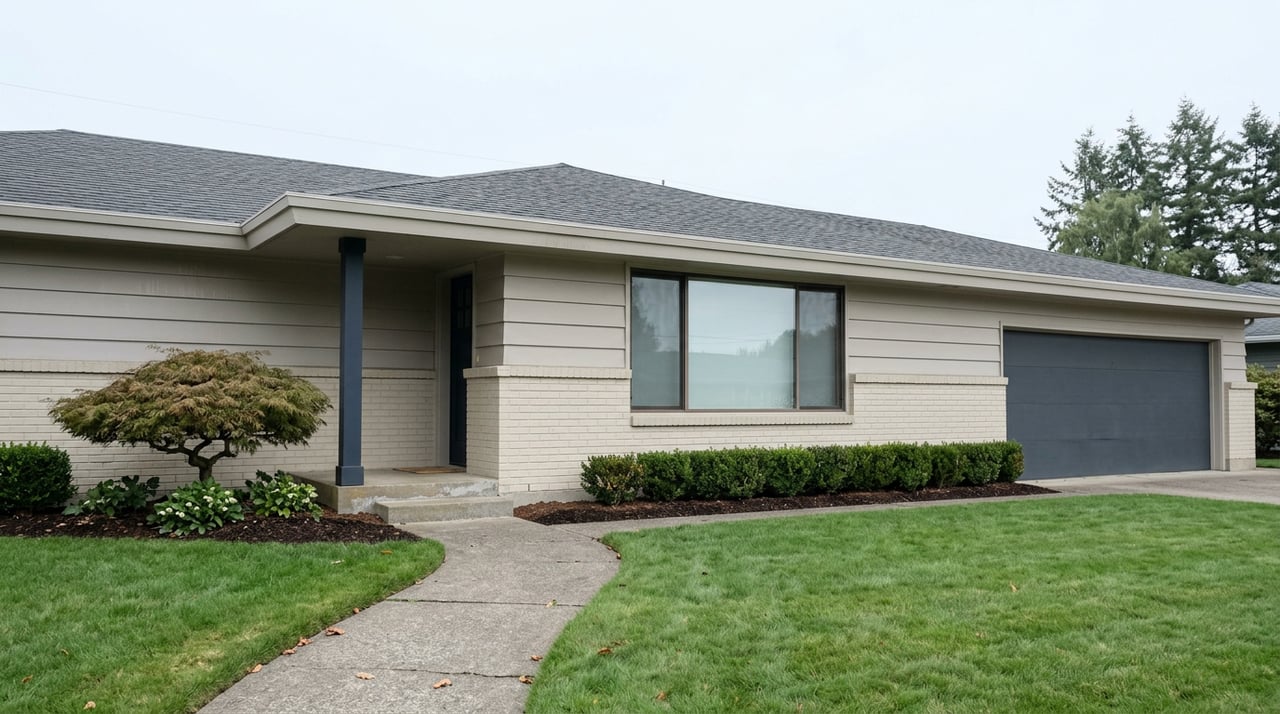
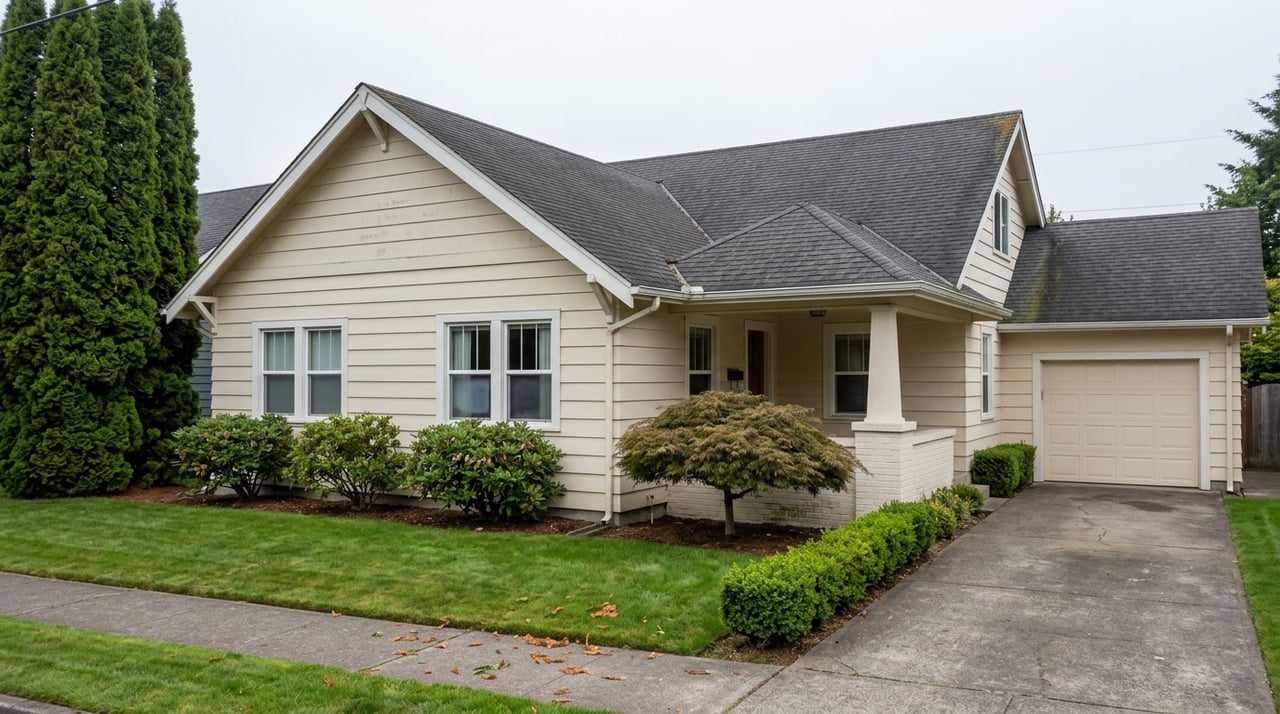
If you are shopping in Kingston, you will likely notice that detached homes play a large role in the housing mix. Attached options exist, but they are less dominant than in denser urban markets.
That often appeals to buyers who want more space, a quieter setting, or a property that feels more connected to the natural surroundings. On the other hand, if you are looking for a dense downtown residential environment or a broad range of apartment-style options close to the waterfront, Kingston may feel more limited.
Who Kingston tends to fit best
Kingston can be a strong match if you value a waterfront setting, small-town rhythm, and ferry-linked access to other parts of the region. It may also appeal to buyers who want a place that feels grounded in local businesses, marina activity, and outdoor recreation.
Based on county planning and housing context, Kingston is generally less aligned with buyers seeking a dense urban retail core or a wide selection of rental and apartment choices near downtown. That does not make it better or worse. It simply makes it more specific.
In other words, Kingston is often about choosing lifestyle over convenience in the big-city sense. You may trade some retail variety and simpler traffic patterns for water access, views, and a town identity that feels distinct.
What to think about before moving
Before you decide Kingston is the right fit, it helps to think through your routine in a very honest way.
Ask yourself:
- How often will you rely on the ferry each week?
- Are you comfortable planning around schedule changes or traffic backups?
- Do you want a local-business setting more than a larger retail hub?
- Would you rather have more home space and outdoor access than a denser urban layout?
- Is waterfront proximity part of your daily lifestyle or just a nice bonus?
Your answers matter because Kingston is not a generic move. It is a lifestyle choice with clear strengths and a few practical tradeoffs.
Why local guidance matters in Kingston
In a place like Kingston, your real estate decision is about more than square footage. Commute patterns, proximity to ferry access, the feel of the town center, and the type of housing available can all shape whether a home works for your life.
That is why local, place-based guidance matters. If you are comparing Kingston with other Kitsap or Puget Sound communities, it helps to work with someone who understands how these lifestyle differences show up in the home search itself.
If you’re exploring Kingston or comparing it with other Puget Sound communities, Anne Watkins can help you sort through the lifestyle, housing options, and day-to-day realities so you can move with confidence.
FAQs
What is daily life in Kingston, WA like for residents?
- Kingston offers a small ferry-town setting shaped by waterfront access, a marina, local businesses, parks, and regional transportation connections.
How long is the ferry from Kingston to Edmonds?
- WSDOT’s spring 2026 schedule lists the Edmonds-Kingston crossing at about 30 minutes, with daily departures in both directions.
Does Kingston, WA have fast ferry service to Seattle?
- Yes. Kitsap Transit operates the Kingston Fast Ferry to downtown Seattle with an approximate 40-minute crossing and weekday service.
What kind of housing is common in Kingston, WA?
- Kitsap County documents describe Kingston housing as predominantly single-family, with fewer attached housing options than denser markets.
Is Kingston, WA a good fit for people who want walkable outdoor access?
- Kingston offers access to parks, trails, shoreline areas, and waterfront spaces, including A Quiet Place Park, Arness Roadside Park, and North Kitsap Heritage Park.
What should buyers know about commuting from Kingston, WA?
- Buyers should know that ferry access is a major advantage, but traffic backups and terminal activity can affect parking, circulation, and commute timing in the downtown ferry area.