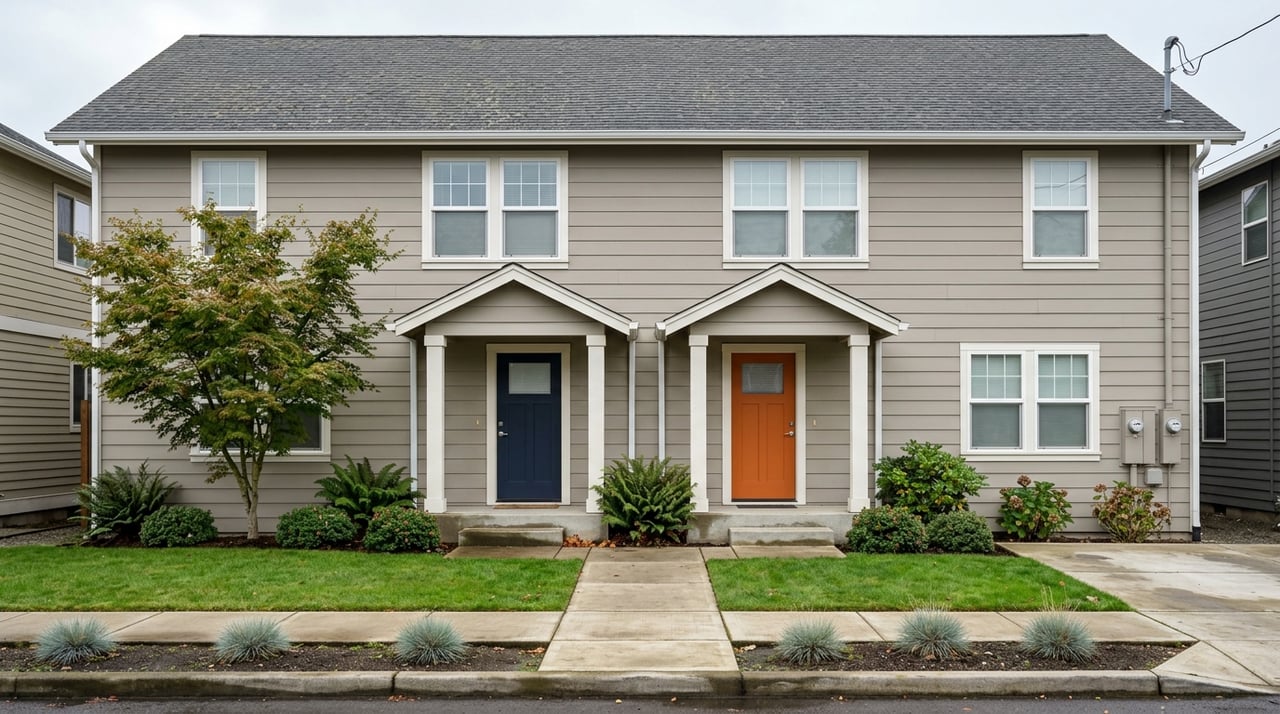
If you have been eyeing Tacoma duplexes or small multifamily homes, you are probably asking the right question: does the deal actually work today? In Tacoma, these properties can create steady income and open the door to house hacking or long-term investing, but the best opportunities usually come from disciplined analysis, not hype. When you understand rents, zoning, financing, and local rental rules, you can make a smarter move with more confidence. Let’s dive in.
Why Tacoma draws multifamily buyers
Tacoma and the broader Pierce County market currently lean more toward yield and cash flow than fast appreciation. According to a Puget Sound multifamily market study, Pierce County apartment cap rates were around 6.0% in 2025, while many Puget Sound submarkets settled in the low-to-mid 5% range.
That matters if you are comparing a duplex or fourplex to a single-family rental. In this kind of market, a small multifamily purchase often makes the most sense when it produces dependable income based on current conditions, not aggressive future projections.
Tacoma also continues to show solid rental demand. A Tacoma rental market snapshot reported citywide vacancy around 4.1% in Q2 2025, with tighter submarkets in North Tacoma, the South End, and the Downtown Core.
What makes a Tacoma duplex appealing
A duplex or small multifamily property can give you options that a single-family home often cannot. You may be able to live in one unit and rent the other, hold the property purely as an investment, or buy with future redevelopment potential in mind depending on the parcel and zoning.
For many buyers, the appeal is flexibility. A duplex can help offset your housing costs today while also creating a path to longer-term rental income.
That said, Tacoma is not a market where "two doors" automatically means a great investment. The stronger strategy is to buy the right parcel, in the right area, with realistic numbers and a clear operating plan.
Tacoma zoning changed in 2025
One of the biggest local shifts for small multifamily buyers is Tacoma’s Home in Tacoma zoning package, which took effect on February 1, 2025. The city introduced Urban Residential zones UR-1, UR-2, and UR-3, and now allows houseplexes of up to six units in these districts.
Washington’s broader middle housing framework includes housing types such as duplexes, triplexes, fourplexes, townhouses, stacked flats, and courtyard apartments. Tacoma’s local rules bring that framework into practice in a way that can directly affect how a property may be used or redeveloped.
Here is the simple version:
- UR-1 is the lowest-intensity urban residential district
- UR-2 allows more density
- UR-3 is the most intensive of the three
The city explains that UR-1, UR-2, and UR-3 differ based on how close a site is to centers, corridors, parks, and other community features. For you, that means the same duplex idea may pencil very differently depending on the parcel.
Why parcel potential matters
When you are evaluating a Tacoma duplex, the building itself is only part of the story. The lot, the zoning, access, and redevelopment options can all affect long-term value.
One especially important Tacoma-specific detail is the city’s approach to unit lot subdivisions. Tacoma says this can create separate fee-simple ownership opportunities for individual units on a parent lot.
That can influence strategy in a major way. In some cases, a property may make more sense as a long-term rental hold. In others, the value may come from future separate ownership opportunities, depending on the site and city requirements.
If you are searching beyond Tacoma into Lakewood, remember that zoning and housing rules are different there. You will want to check Lakewood’s allowed residential uses separately before assuming the same approach applies.
How to analyze the numbers
Small multifamily properties need a different lens than a typical home purchase. With two- to four-unit properties, the income side plays a much larger role in valuation and lending.
Fannie Mae’s valuation guidance requires the income approach for two- to four-unit properties and says eligible rents on the subject property must be reported for both principal-residence and investment purchases. In plain English, lenders and appraisers pay close attention to what the property can earn.
That means your underwriting should go beyond the mortgage payment. A strong Tacoma duplex analysis should include:
- Current market rents
- Realistic vacancy assumptions
- Utility responsibilities
- Ongoing maintenance
- Turnover costs
- Repair reserves
- A conservative exit cap rate
In today’s Tacoma market, it is wise to ask whether the property still works if rents stay flat for a while or if cap rates move up. That kind of stress test can help you avoid buying based on best-case assumptions.
House hacking can improve the math
If you plan to live in one unit, your financing options may be more favorable than they would be for a pure investment property. HUD says FHA-insured mortgages can include two- to four-unit properties, with a 3.5% minimum required investment for qualifying borrowers.
Fannie Mae also recognizes rental income from a two- to four-unit principal residence when the borrower occupies one unit. That is a big reason duplexes, triplexes, and fourplexes can work well for owner-occupants who want to offset monthly costs.
For buyers in Tacoma, this can create a practical entry point into investing. Instead of waiting to buy a separate rental later, you may be able to start with a property that supports both your housing needs and your long-term financial goals.
Best Tacoma areas to watch
No neighborhood guarantees performance, but local rental data can help you narrow your search. Spinnaker’s Q2 2025 Tacoma rental snapshot identified North Tacoma, the South End, and the Downtown Core as some of the city’s tighter rental submarkets.
The same report noted strong rent increases in Stadium District and University Place. If your search expands into Pierce County, those areas may be worth a closer look alongside Tacoma neighborhoods such as Lincoln District and Eastside Tacoma.
The key is to match the property to likely renter demand. An updated duplex in a more walkable in-city area may perform differently than an older property that needs major systems work in a lower-price segment.
Tacoma rental rules to know
One of the biggest mistakes small multifamily buyers make is focusing only on purchase price and rent, while underestimating operations. Tacoma’s rental rules and Washington state law both matter, and they can directly affect your income planning.
According to the city’s Renting in Tacoma guidance, Tacoma requires a 180-day notice for rent increases, a city-established form, and disclosure of the relocation-assistance program. The city also caps late fees at 1.5% of unpaid monthly rent.
Washington state separately caps annual rent increases at the lesser of 10% or 7% plus CPI, requires 90 days’ written notice, and prohibits rent increases during the first 12 months of a tenancy. For you, that means future rent growth should be modeled gradually, not aggressively.
Deposits and compliance matter
Security deposits are another area where small errors can create real problems. The Washington Attorney General explains that landlords need a written checklist or condition statement when collecting a deposit, and the deposit generally must be returned within 21 days after move-out unless part is withheld with an explanation. You can review those rules in the state’s deposits and fees guidance.
Tacoma also requires written rules for deposits and last month’s rent, including installment payment options in some cases. If you are planning to self-manage, these details deserve close attention from the start.
If you live outside Washington, Tacoma says a local agent is required for rental property records. The city’s rental property record update page is a helpful reminder that absentee ownership comes with added responsibilities.
Watch for older-property risks
Some of Tacoma’s more affordable duplexes and small multifamily properties can look attractive on a price-per-unit basis. But older buildings often carry deferred maintenance that can quickly change the math.
Roof issues, drainage concerns, electrical upgrades, plumbing repairs, and code-related work can all reduce your yield if they show up after closing. In a market where returns are driven by disciplined operations, hidden capital expenses can erase the benefit of a lower entry price.
Before you buy, it helps to verify permits, review maintenance history, inspect major systems carefully, and budget reserves conservatively. This is especially important if you are comparing a turnkey property to one that appears cheaper but needs significant work.
A smart Tacoma investment mindset
The strongest case for investing in Tacoma duplexes and small multifamily homes is not that every property will soar in value overnight. It is that Tacoma offers a mix of still-tight rental demand, updated middle-housing rules, and property types that can support owner-occupants and long-term investors alike.
If you approach the search with clear underwriting, zoning awareness, and realistic expectations around operations, you can put yourself in a much stronger position. In this market, good investing is less about chasing hype and more about choosing a property with a solid plan behind it.
If you want help evaluating Tacoma duplexes, comparing neighborhoods, or sorting through the local details that can shape a smart purchase, Anne Watkins offers hands-on guidance rooted in Tacoma and the greater South Sound market.
FAQs
What makes Tacoma duplex investing different from buying a single-family rental?
- Tacoma duplex investing relies more heavily on rental income, operating costs, and valuation based on the property’s earnings, especially for two- to four-unit properties.
What should you know about Tacoma zoning before buying a small multifamily property?
- Tacoma’s Home in Tacoma rules created UR-1, UR-2, and UR-3 zones that allow a range of middle housing types, so you should confirm what is allowed on a specific parcel before you buy.
Can you use FHA financing for a Tacoma duplex or triplex?
- Yes, HUD says FHA-insured mortgages can include two- to four-unit properties for qualifying borrowers, including owner-occupants meeting program requirements.
Which Tacoma areas show strong rental demand for duplexes and small multifamily homes?
- Recent rental data pointed to North Tacoma, the South End, and the Downtown Core as tighter submarkets, with Stadium District and University Place also showing notable rent growth.
What rental law issues should Tacoma multifamily buyers plan for?
- You should account for Tacoma’s rent increase notice rules, late-fee limits, relocation-assistance disclosures, and Washington state rules on rent increases, deposits, and tenant notices.